When you click on links to various merchants on this site and make a purchase, this can result in this site earning a commission. Affiliate programs and affiliations include, but are not limited to, the eBay Partner Network.
Welcome you to Smartbuyforever! We are a leading Seeds provider for several years! We provide fresh and high-quality Heirlooms seeds, NON-GMO and organic seeds to home gardeners and other’s Growers! Our main offerings: Hundreds of heirloom, rare, beautiful flowers and Herbs and Vegetables seeds. Especially we provide hard to find Herb and flowers seeds!
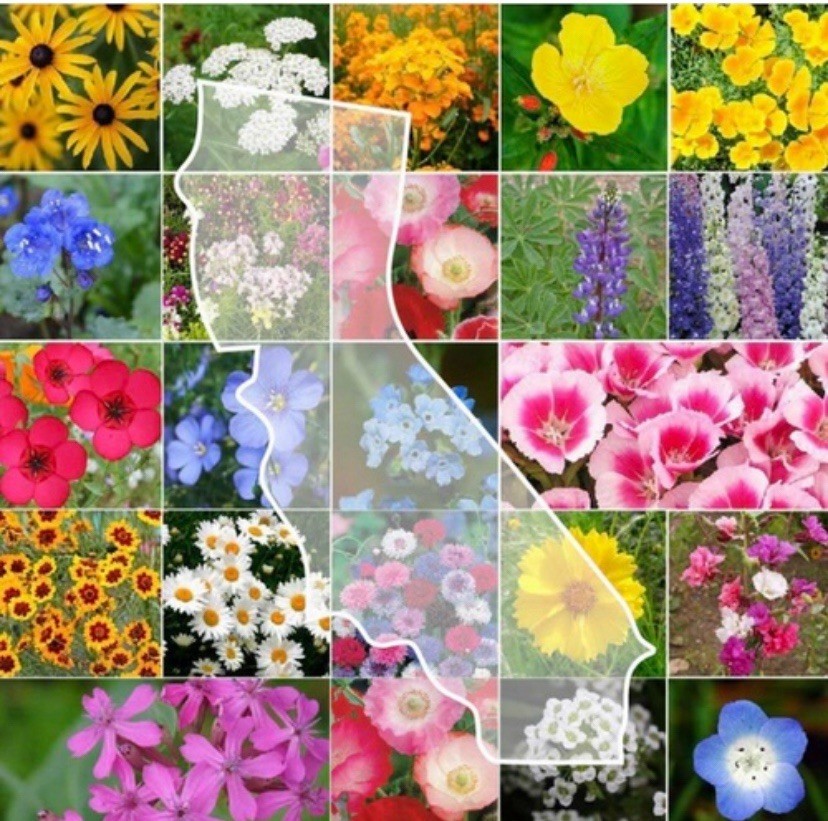
California Wildflower Seed Mix - 22 Varieties
If you're planting flowers in the beautiful state of California and need the perfect flower mix, look no further. With 22 different varieties of wildflower seeds curated specifically for our customers in the Golden State, this is the perfect selection of flowers for your planting area. Whether you have a small space or huge meadow, you'll love to see this combination of daisies, lupine, wallflowers, cornflowers, and so many other sweet blooms. Plant this California flower mix in full sun to yield colorful results year round. Buy seeds in bulk to enjoy great savings.
Planting wildflowers can transform landscapes into colorful, low-maintenance habitats. Success starts with proper timing, thoughtful site preparation, and appropriate seed selection. Most of our wildflower mixes contain both annual and perennial varieties
When to Plant Wildflower Seeds
The best time to plant wildflower seeds depends on your local climate and rainfall patterns. In many of our zones, sowing in spring or early summer is ideal. Soil temperatures are warm enough for germination, but not yet so hot that maintaining moisture becomes difficult. For spring planting, it is best carried out within a month or so after the final frost of the winter season. It is important to not plant too early; if seeds are installed prior to a late-season frost, they will be lost for the season and will need to be re-seeded.
Avoid summer planting unless irrigation is available—hot, dry conditions make it hard to keep soil consistently moist for the four to six weeks needed for germination.
Fall planting is another effective option, especially where springs are wet and soil preparation is made difficult by these wet conditions. Planting in fall also gives you a jumpstart on spring blooms. In cooler zones, fall sowings should be timed after several hard frosts, when temperatures are too low for seeds to germinate but before the ground is frozen or snow-covered. This method is referred to as ‘dormant planting’. The seeds will remain dormant and sprout in spring when moisture and warmth return.
Where to Plant Wildflower Seeds
Though many wildflowers do tolerate some filtered shade, and a few actually thrive in it, the vast majority are definitely sun-lovers. Therefore, choose a location that receives at least six to eight hours of full, direct sun each day. Please keep in mind though, if your site currently supports no plant life, not even weeds, wildflower seeds may struggle to survive here as well. In this case, soil amendments or light fertilization may be necessary.
Your site will also need moisture, so choose a planting time with anticipated rainfall, or an area that you can assure will be kept irrigated for at least the first four to six weeks.
How to Plant Wildflower Seeds
Wildflower seeds require light to germinate, so be careful not to cover them when planting.
Clear the area by removing any existing plants, weeds, and rocks. Lightly till the soil if needed to help remove growth and to loosen to a depth of just a few inches. Tilling deeply and vigorously only brings more weed seeds to the surface to compete against your wildflower seeds. Don’t panic when some weeds sprout along with the flowers, this will happen when the soil is worked. Wildflowers will generally sprout in all but the most difficult conditions and pampering your site with fertilizer or rich sod is not usually necessary.
We recommend mixing your seeds with sand – 5 parts sand to 1 part seeds. This allows for a more even distribution and the sand color provides a convenient way to mark which portions of the site have been seeded and which have not. For a smaller area, you can hand-broadcast the seeds. For larger areas, we recommend a seed spreader to create a better cast of the seeds. For areas that are larger than an acre or on steep terrain, consider drill seeding or hydroseeding.
After the seeds have been sown, lightly compress the seeds into the soil about a quarter inch to protect from birds and wind. In smaller areas, you can simply walk over your seeds to compress them into the soil. Larger areas may need a roller to press the seeds in, giving them good seed-to-soil contact.
Watering is critical during germination. Maintain consistent moisture for four to six weeks after sowing, reducing watering as seedlings mature. As wildflowers become established they typically need less moisture. In drought or arid regions, up to a half inch of supplemental water weekly may be necessary.
MIX CONTENTS
75% Annual, 25% Perennial: California Poppy Orange, White Yarrow, Shasta Daisy, Lance Leaf Coreopsis, Perennial Flax, Sweet Alyssum, Black Eyed Susan, Cornflower Tall Mix, Godetia Dwarf Mix, Clarkia Mix, Plains Coreopsis, Chinese Forget Me Not, Larkspur Giant Imperial Mix, Snapdragon Toadflax, Scarlet Flax, Arroyo Lupine, Baby Blue Eyes, Evening Primrose, Shirley Single Mix, California Bluebells, Catchfly, Siberian Wallflower. Mix contents are subject to change.
Free Shipping:
All orders are shipped by USPS First Class Mail. Only orders $15 or more will include free tracking information.
Customer care:
First of all thanks for your purchase . If you have any issues with your order please Just leave us a message and we'll promptly resolve the issue as soon as possible.