When you click on links to various merchants on this site and make a purchase, this can result in this site earning a commission. Affiliate programs and affiliations include, but are not limited to, the eBay Partner Network.
Buy 2 or more packets of mix and match seeds and get a free packet of seeds.
70-90 day maturity. Hibiscus sabdariffa. Asian Sour Leaf Roselle Seeds. Non-GMO, Cool-season perennial heirloom. This unique perennial can be grown as an annual in areas where it will not survive the winters. Sour Leaf Roselle is heat tolerant and typically cultivated in tropical and subtropical regions. The leaves, calyces, and flowers are all edible and flavorful. The Burmese call it 'chin baung ywat,' which translates to 'sour leaf.' Roselle can be an attractive container specimen in pots greater than 6 inches deep and wide.
What is Roselle?
Hibiscus sabdariffa, sometimes known as roselle hibiscus, is a Malvaceae family shrub. In Iran, it is commonly referred to as sour tea. Roselle is known as Red Sorrel in English-speaking nations.
Originally from Africa and Caribbean countries such as Jamaica, Trinidad, and Tobago, it is now widely grown throughout tropical and subtropical regions, particularly in India and Southeast Asia.
For generations, Roselle has been used as a medicinal plant. It has been used to cure toothaches, urinary tract infections, colds, and even hangovers. Roselle juice made from the leaves is used to treat conjunctivitis in Senegal, and when pulverized, it soothes wounds and ulcers.
One of the primary reasons for roselle cultivation is to generate the best fibers, which are removed from the stem and used as a substitute for jute. Hibiscus cannabinus is frequently grown in southern Asia for fiber extraction.
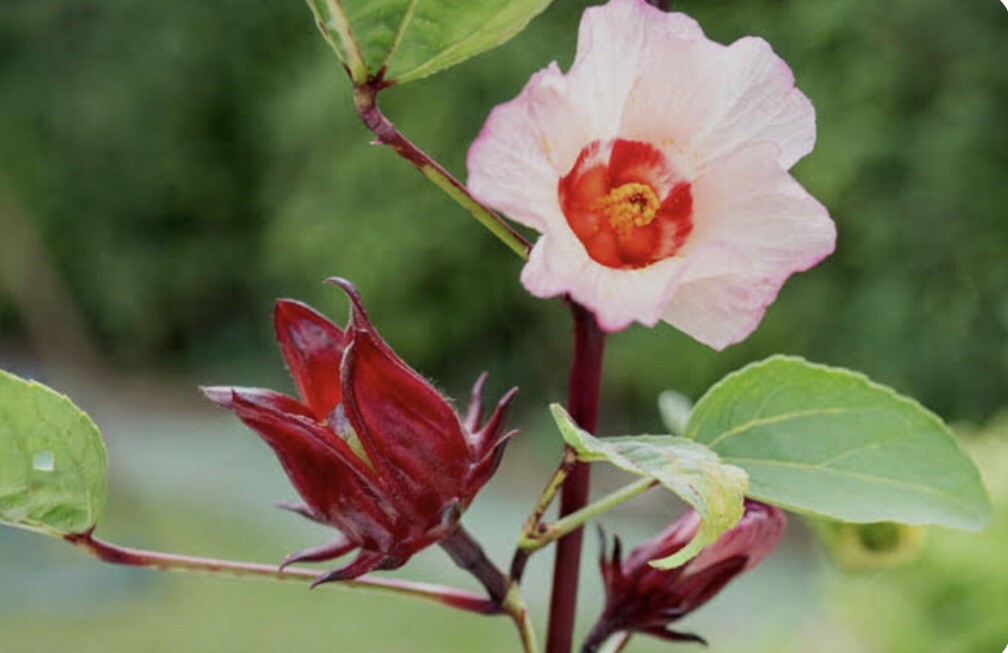
Roselle is a low-maintenance shrub that grows to be quite tall. Its brilliant crimson stems easily distinguish it. It produces a large number of attractive flowers with a distinct appearance. It also generates a calyx at each node. Calyces, both fresh and dried, play an important role in food preparation.
Hibiscus, whether consumed as a tea or in its raw form, offers a variety of nutrients and beneficial compounds. It's a good source of antioxidants, including vitamin C and anthocyanins, which can help protect the body against damage from free radicals. Hibiscus also contains minerals like calcium, iron, and potassium. While the nutrient content may vary depending on the part of the plant and how it's prepared (raw vs. tea), it generally provides a healthy dose of these valuable components, especially when consumed in its raw form or as a tea.
Specific Nutrients and Compounds:
Antioxidants:
Hibiscus is rich in antioxidants like vitamin C, beta-carotene, and anthocyanins.
Minerals:
It contains minerals like calcium, iron, and potassium, though the amounts can vary.
Other Compounds:
Hibiscus also contains organic acids, triterpenoids, flavonoids, alkaloids, steroids, and carotene.
Vitamins:
It can be a source of B vitamins and vitamin C, particularly in its raw form.
Hibiscus Tea vs. Raw Hibiscus:
Raw Hibiscus: Generally contains more vitamins and minerals than hibiscus tea.
Hibiscus Tea: While still beneficial, it tends to be lower in vitamins and minerals compared to raw hibiscus, but it still offers a good source of antioxidants and other beneficial compounds.
Potential Health Benefits:
Antioxidant Protection: Hibiscus antioxidants can help neutralize free radicals, potentially reducing the risk of cell damage and certain diseases.
Immune Support: Vitamin C in hibiscus can help boost the immune system.
May Help Lower Blood Pressure: Some studies suggest hibiscus tea may help lower blood pressure, though more research is needed.
May Improve Skin Health: The antioxidants in hibiscus may contribute to healthy, glowing skin.
Important Considerations:
Moderation:
Drinking up to 24 ounces of hibiscus tea daily is generally considered safe for most adults, according to Health.com.
Individual Needs:
Nutritional needs vary, so it's best to consult with a healthcare professional or registered dietitian for personalized dietary advice.
Florist and greenhouse situated in Long Island, New York. Been in business for 25 years and counting.