When you click on links to various merchants on this site and make a purchase, this can result in this site earning a commission. Affiliate programs and affiliations include, but are not limited to, the eBay Partner Network.
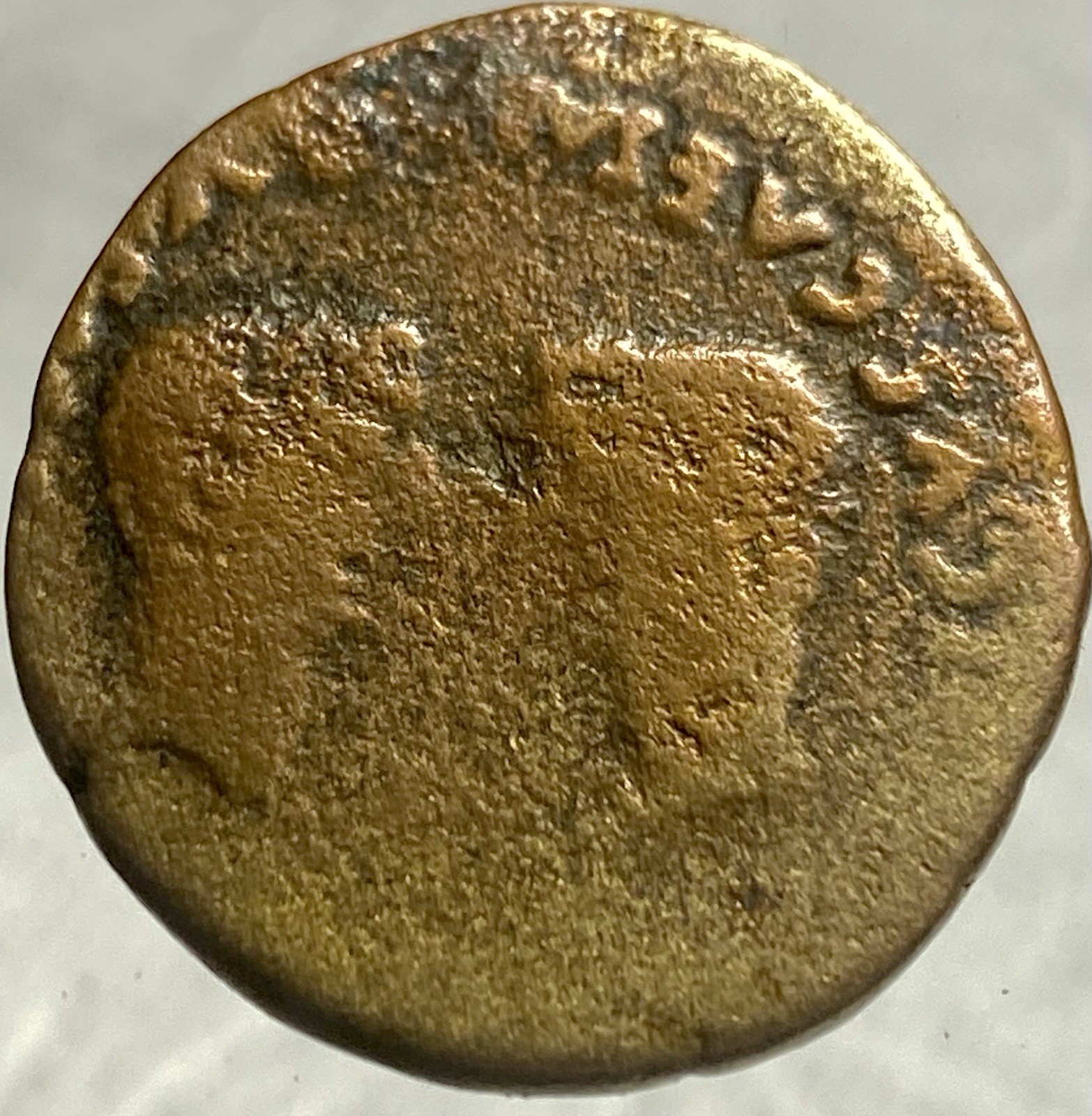
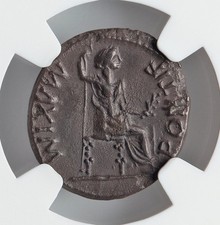
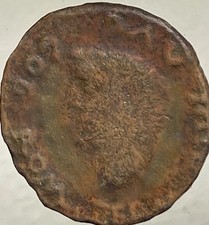
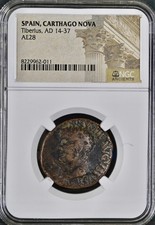
This ancient Roman coin is a rare find for collectors and enthusiasts alike. From the reign of Emperor Tiberius, 14 to 37 AD, this coin features the portrait of Emperor Tiberius on the obverse and Drusus and Germanicus on the reverse.
Germanicus Julius Caesar (24 May 16 B.C. or 15 B.C. – 10 October A.D. 19), commonly known as Germanicus, was a member of the Julio-Claudian dynasty and a prominent general of the early Roman Empire. He was born in Lugdunum, Gaul, and was named either Nero Claudius Drusus after his father or Tiberius Claudius Nero after his uncle. He received the agnomen Germanicus in 9 BC, when it was posthumously awarded to his father in honour of his victories in Germania.
Germanicus was the grandson-in-law and great-nephew of the Emperor Augustus, nephew and adoptive son of the Emperor Tiberius, father of the Emperor Caligula, brother of the Emperor Claudius, and the maternal grandfather of the Emperor Nero.
Drusus minor (Museo del Prado) 01.jpgNero Claudius Drusus, later Drusus Julius Caesar (his adoptive name) (13 BC-September 14, 23), was the only child of Roman Emperor Tiberius and his first wife, Vipsania Agrippina. He was born in 7 October 15 BC or 14 BC with the name Nero Claudius Drusus, and is also known to historians as Drusus II and Drusus Minor. Drusus was named after his paternal uncle the general Nero Claudius Drusus (who is sometimes called Nero Drusus, Drusus I, Drusus Major, or Drusus the Elder), who was Tiberius' younger brother. He was born and raised in Rome. Drusus was the first grandchild of statesman Marcus Vipsanius Agrippa and his first wife Caecilia Attica.
The coin is a rare must-have for collectors who appreciate historical artifacts.
6433