Heat.net Store Home
|
2,500 to 5,000 Heirloom New England Aster Seeds Organic Non-GMO For Sale

When you click on links to various merchants on this site and make a purchase, this can result in this site earning a commission. Affiliate programs and affiliations include, but are not limited to, the eBay Partner Network.

2,500 to 5,000 Heirloom New England Aster Seeds Organic Non-GMO:
$6.95
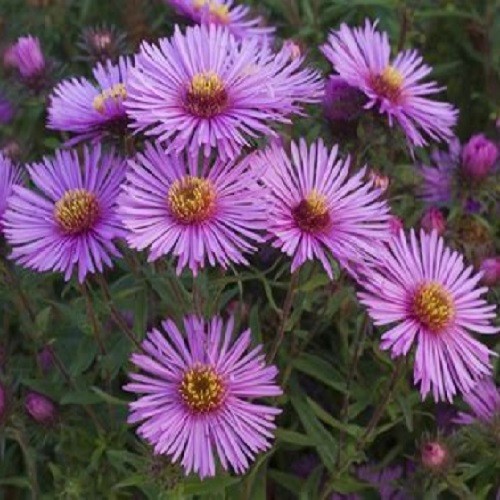
New England Aster Seeds – Heirloomsnhybrids Fresh Harvest, Non-GMO Heirloom New England Aster Seeds (2,500 or 5,000). Organic 2026 Harvest. Symphyotrichum novae-angliaeUntreated • Unprocessed • Organic • Non‑GMO New England Aster (Symphyotrichum novae-angliae, formerly Aster novae-angliae) is a classic American wildflower perennial celebrated for its spectacular late-summer and fall blooms. This native, cold-hardy powerhouse transforms gardens with masses of vibrant purple, pink, and lavender flowers that appear precisely when most other plants fade. An exceptional pollinator magnet and cut flower, New England Aster is essential for autumn gardens and native plant landscapes. Floral Characteristics Color Range: Flowers display rich shades of purple, magenta-pink, and lavender, with bright golden-yellow centers that create striking contrast and visual interest. Structure: Each flower is daisy-like with numerous ray petals surrounding a dense golden disc, arranged in terminal clusters along tall, leafy stems. Fragrance: While not heavily scented, the plant produces a subtle, herbaceous scent that becomes more apparent when foliage is brushed or crushed. Appearance in the Landscape: Dense, columnar plants become almost completely obscured by flowers at peak bloom, creating towering clouds of color that provide dramatic autumn garden impact.
Bloom Performance Exceptional Fall Blooming: New England Aster defies late-season plant decline, blooming prolifically from late August through November, often continuing until the first hard frost. Pollinator Magnet: The abundant flowers attract countless bees, butterflies, and beneficial insects during a critical season when food sources are scarce, making this an invaluable plant for supporting pollinators. Extended Harvest Window: Unlike spring bloomers, New England Aster provides weeks of fresh-cut flowers as autumn color peaks, delivering elegant arrangement material when garden options are limited. Landscape Transformation: Even as surrounding perennials decline, mature New England Aster stands 3–6 feet tall, a beacon of vibrant color that anchors the fall garden with architectural presence and visual drama.
This iconic native wildflower is prized by gardeners seeking reliable, low-maintenance perennial color, pollinator support, and authentic American garden character. Its vigorous growth, extreme hardiness, and extraordinary fall performance make it an indispensable addition to any perennial border, cottage garden, or native plant landscape. Growing Guide: New England Aster (Symphyotrichum novae-angliae)Quick Facts Botanical Name: Symphyotrichum novae-angliae (formerly Aster novae-angliae) Plant Type: Perennial wildflower Bloom Time: Late August through November (first frost) Hardiness Zones: 3–9 Sun Exposure: Full sun to partial shade Soil Needs: Average to poor soil, well-draining preferred Plant Height: 3–6 feet (cultivar-dependent) Spread: 2–3 feet Moisture Tolerance: Adapts from dry to moist conditions
Starting from Seed New England Aster seeds germinate readily with light exposure and moderate cold stratification. Planting & Care New England Aster is exceptionally adaptable and forgiving, thriving in poor soil and various moisture conditions. Site Selection: Full sun (6+ hours daily) produces the most vigorous growth and abundant blooms. Partial shade is tolerated but may result in looser growth and fewer flowers. Spacing: Space plants 24–36 inches apart to allow for mature spread. Soil Requirements: Unlike many perennials, New England Aster actually performs better in average to poor soil. Rich, heavily amended soil can lead to excessive vegetative growth at the expense of flowering. Watering: Establish plants with regular watering. Once established, it is remarkably drought-tolerant, though consistent moisture encourages more robust growth. It also tolerates wet conditions better than many asters. Fertilizing: Avoid heavy feeding. Light, balanced fertilizer in spring is adequate. Over-fertilization produces tall, weak stems prone to flopping. Maintenance: Pinching: For bushier, more compact growth, pinch back stem tips in early summer (before late June). This delays blooming slightly but produces fuller plants with more flowers. Staking: Tall varieties may require staking in windy locations or rich soil. Plant supports early in the season when plants are small. Division: Divide established clumps every 3–4 years in spring to maintain vigor and prevent Plant & Pollinator Value New England Aster is native to eastern North America and essential for native plant landscapes. Provides critical nectar and pollen for late-season pollinators—particularly important for monarch butterflies and native bees preparing for winter. In fall, when food sources are scarce, this plant becomes a refuge for hungry insects.
Pro-Tips for SuccessBulk Planting: With 2,500–5,000 seeds, these quantities are ideal for creating naturalized drifts, wildflower meadows, or native plant restoration projects. Cut Flowers: New England Aster creates stunning, long-lasting fall bouquets. Cut stems in
|
|
Other Related Items:
Related Items:
2,500 to 5,000 Heirloom New England Aster Seeds Organic Non-GMO $6.95

Cooper 2641 fuse to 400A clips class H fuse reducer box of 2 (500) $100.00
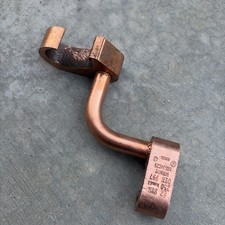
Burndy YGL34C29 250 to 500, 2-500 ground grid $99.99
|