When you click on links to various merchants on this site and make a purchase, this can result in this site earning a commission. Affiliate programs and affiliations include, but are not limited to, the eBay Partner Network.
Ethiopia Harrar Coffee Tree Seeds | Historic Arabica Ethiopia Harrar Coffee Tree Seeds - Historic Arabica Coffea.Ethiopian Harrar Araba coffee seeds with historic longberry heritage for greenhouse and container growing.
Historic Ethiopian Arabica Selection — Coffea arabica Historic Arabica Ethiopian Coffee Heritage Longberry Type Untreated Seeds Greenhouse Ready
Grow an intriguing Arabica coffee selection associated with Ethiopia’s historic Harrar coffee region, valued for its distinctive heritage, attractive evergreen growth, fragrant flowers, and unique longberry fruit characteristics.
Grow a Historic Ethiopian Coffee Selection
Ethiopia Harrar Coffee is an Arabica coffee selection associated with the historic Harrar region of eastern Ethiopia. Ethiopia is widely recognized as the botanical home of Arabica coffee, making Ethiopian coffee varieties especially meaningful to collectors, coffee enthusiasts, and gardeners interested in living agricultural history.
Harrar coffees are traditionally associated with distinctive fruit character and longberry-style coffee cherries. Depending on the selection and growing conditions, the coffee profile may express complex berry-like, wine-like, floral, or earthy qualities.
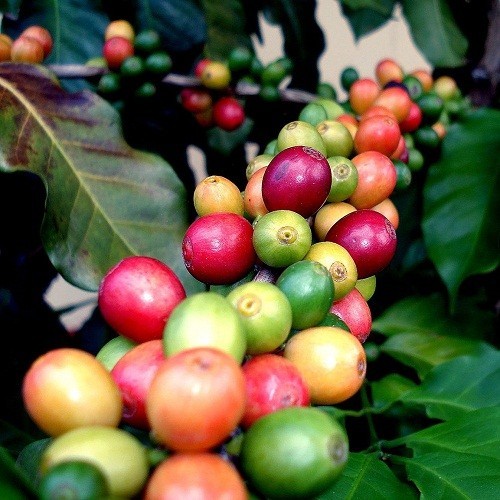
In the home garden, Ethiopia Harrar develops glossy evergreen foliage, elegant branching, fragrant white flowers, and coffee cherries as the plant matures. It is an excellent long-term project for greenhouse growers, indoor plant collectors, conservatory gardeners, and those who enjoy cultivating unusual coffee plants from seed.
Coffee plants require warmth, humidity, bright filtered light, consistent moisture, and patience. Fruiting depends on plant maturity, pollination, nutrition, climate, light, and general growing conditions.
Historic Ethiopian Coffee Heritage
Ethiopia Harrar is an appealing choice for growers who value origin, history, and distinctive coffee characteristics. Its connection to eastern Ethiopia gives this selection strong cultural and botanical interest, while the plant itself provides year-round ornamental value in a suitable protected environment.
Traditional Harrar coffee is often associated with an exotic, fruit-forward character and elongated “longberry” cherries. Flavor expression varies according to genetics, cultivation, harvest maturity, processing, roasting, and brewing.
Regional Association Harrar, eastern Ethiopia Coffee Species Coffea arabica Traditional Type Longberry-style Arabica selection Typical Growing Elevation Associated with elevated Ethiopian coffee-growing areas Traditional Flavor Association Berry-like, wine-like, floral, earthy, and complex characteristics Why Grow Ethiopia Harrar Coffee? Historic Ethiopian Heritage: A coffee selection associated with one of the world’s most important coffee origins. Distinctive Longberry Character: Traditionally associated with elongated coffee cherries and unusual fruit characteristics. Complex Coffee Potential: May express berry-like, wine-like, floral, or earthy qualities under suitable conditions. Ornamental Evergreen Plant: Glossy foliage and fragrant white flowers provide attractive year-round interest. Rewarding Botanical Project: An engaging long-term project for coffee enthusiasts and serious growers. Natural and Untreated: Seeds are supplied for planting and cultivation. Ethiopia Harrar Coffee Plant Details Botanical Name Coffea arabica Common Name Ethiopia Harrar Coffee Regional Association Harrar, eastern Ethiopia Plant Type Evergreen woody perennial shrub or small tree Growth Habit Upright to gracefully branching coffee shrub Approximate Container Height 4–6 feet with suitable care and pruning Flower Color Fragrant white flowers Fruit Coffee cherries that develop as the plant matures Light Requirements Bright filtered light to partial shade Recommended Environment Warm greenhouse, conservatory, sunroom, or protected container Growing Difficulty Intermediate to advanced How to Germinate Ethiopia Harrar Coffee Seeds
- Soak the seeds in warm, clean water for approximately 24 hours.
- Sow approximately ½ inch deep in a clean, sterile, well-draining, peat-based seed-starting medium.
- Place the container in a warm location maintained around 75–80°F.
- Keep the growing medium evenly moist, but do not allow it to become waterlogged.
- Provide bright, filtered light and steady humidity.
- Be patient. Germination may take approximately 2–4 months, and some seeds may require additional time.
- Once seedlings emerge, provide gentle, balanced feeding during active growth and maintain good air circulation.
Important Germination Information: Germination depends on seed freshness, storage conditions, temperature, moisture, planting depth, and growing technique. Germination is not guaranteed because growing conditions vary. Frequently Asked Questions What is Ethiopia Harrar Coffee?
Ethiopia Harrar Coffee is an Arabica coffee selection associated with the historic Harrar region of eastern Ethiopia. It is valued for its heritage, distinctive fruit character, and longberry-style coffee cherries.
Is Harrar a separate species of coffee?
No. Harrar refers to a regional coffee selection associated with eastern Ethiopia. The coffee species identified for this listing is Coffea arabica.
What does “longberry” mean?
“Longberry” is a traditional descriptive term used for elongated coffee cherries or bean types associated with some Ethiopian coffee selections. Individual fruit shape may vary.
Are these coffee beans for brewing?
No. These are seeds intended for planting and growing coffee plants. They are not roasted coffee beans and are not prepared for human consumption.
How long does germination take?
Under suitable conditions, germination may take approximately 2–4 months. Some seeds may take longer, so patience is essential.
Can I grow Ethiopia Harrar Coffee indoors?
Yes. It can be grown indoors when provided with warmth, humidity, bright filtered light, well-draining soil, and adequate container drainage. A greenhouse, conservatory, or bright sunroom is ideal.
Does this coffee plant need full sun?
Young coffee plants generally prefer bright, indirect, or filtered light. Harsh direct afternoon sun may scorch the leaves, particularly when the plant is grown in a container.
When will the plant produce coffee cherries?
Fruiting depends on plant age, climate, pollination, nutrition, humidity, light, and general care. Seed-grown coffee plants may require several years to reach fruiting size.
Are the seeds treated?
The seeds are provided untreated and natural. Keep them protected and plant them as soon as practical after receipt.
Is germination guaranteed?
No. Germination is affected by freshness, storage conditions, temperature, moisture, planting depth, and growing technique. A specific germination rate or timeline cannot be guaranteed.
Important Growing and Ordering Notes
- For planting purposes only; not for human consumption.
- Seed-grown plants may show natural variation.
- Growing results vary according to climate, care, and environment.
- Keep seeds dry and protected until ready to plant.
- Do not expose young coffee seedlings to freezing temperatures.
- Check local agricultural and import regulations before ordering.
Product photographs are for variety identification and illustration. Actual seeds and plants may vary slightly in size, color, and appearance.
Growing Ethiopia Harrar Coffee from Seed
Successful coffee cultivation begins with warmth, humidity, filtered light, consistent moisture, and patience. Ethiopia Harrar Coffee is a rewarding long-term project for growers who enjoy unusual plants, historic crop varieties, and the living heritage of coffee.
Read the Complete Growing Guide The Sacred Meadow
Premium botanical seeds for collectors, gardeners, greenhouse growers, and dedicated plant enthusiasts.
Explore additional growing information and botanical offerings through our store and website.
Copyright 2017–2026 The Sacred Meadow. All Rights Reserved.