When you click on links to various merchants on this site and make a purchase, this can result in this site earning a commission. Affiliate programs and affiliations include, but are not limited to, the eBay Partner Network.
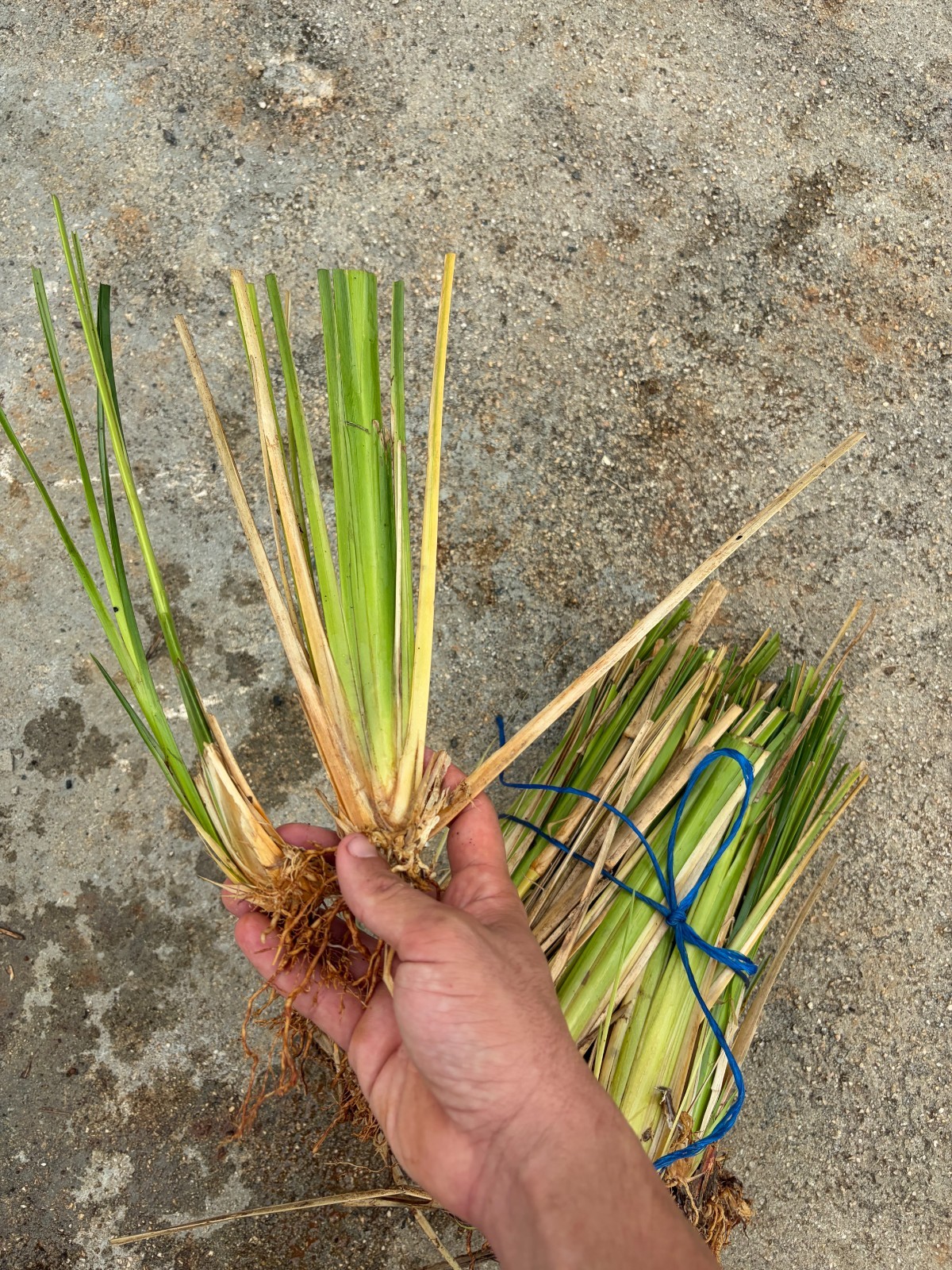
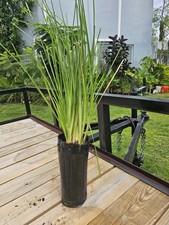
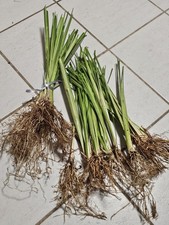
1 Unit Vetiver Life Plants (Chrysopogon zizanioides)Perennial bunchgrass species
Soil Adaptation & Plantin Distance
Vetiver thrives in wet tropical biomes, tolerates drought, frost, salinity, and occasional waterlogging, and can grow in soils with high heavy metal content or extreme pH levels (3.3–12.5).It prefers full sun and cannot tolerate shaded conditions.
Vetiver should be planted with 8 - 10 inches of space between each plant in horizontal rows.
Environmental and Agricultural
Vetiver is extensively used for soil and water conservation, erosion control, and rehabilitation of degraded lands due to its dense, deep root system.It is also employed in wastewater treatment and phytoremediation, as it can accumulate pollutants such as lead, arsenic, zinc, copper, and petroleum hydrocarbons.The plant is cultivated as a hedge to prevent soil erosion and stabilize slopes.
Industrial and Government Use
Vetiver (Chrysopogon zizanioides) is a hardy perennial grass widely used for erosion control, soil stabilization, and environmental restoration. Its exceptionally deep root system helps reduce runoff, prevent soil loss, and strengthen slopes, making it suitable for landscaping, drainage areas, construction sites, and land reclamation projects. Vetiver is also used in government and industrial applications for infrastructure protection, watershed management, mine reclamation, and environmental remediation. Additionally, its aromatic roots are valued for essential oil production and other commercial uses.
Ornamental and Landscaping for Home and Business
Vetiver is an attractive, low-maintenance ornamental grass prized for its graceful upright growth, lush green foliage, and year-round visual appeal in warm climates. Ideal for landscaping, garden borders, privacy screens, and accent plantings, vetiver adds texture and natural beauty to residential and commercial landscapes. Its deep root system also helps stabilize soil on slopes and embankments, making it both a decorative and functional addition to gardens, parks, and outdoor spaces.